Newsletter Subscribe
Enter your email address below and subscribe to our newsletter
Enter your email address below and subscribe to our newsletter

 ByJohn A
Fire safety is one of the most important aspects of protecting any residential, commercial, or industrial property. A well-planned fire safety strategy not only reduces the risk of fire-related damage but also helps protect the lives of occupants during an emergency. Every building faces unique risks, making it essential to have appropriate fire prevention measures, detection systems, and emergency response plans in place.
Fire and life safety services play a critical role in creating safer environments by helping property owners identify potential hazards, maintain safety systems, and prepare for emergencies. Understanding how these services work can help you make informed decisions to improve the safety, compliance, and resilience of your property.
Fire and life safety services include a range of solutions designed to reduce fire risks, protect building occupants, and minimise property damage during emergencies. These services focus on prevention, early detection, emergency response, and ongoing maintenance of fire protection systems.
They may include:
Together, these measures help create a safer environment while supporting compliance with applicable safety requirements.
Every property contains potential fire hazards, whether from electrical equipment, heating systems, cooking appliances, or stored materials. Without proper safety measures, even a small incident can quickly become a serious emergency.
The primary goal of fire safety is protecting people. Early warning systems and properly maintained safety equipment allow occupants to evacuate safely before conditions become dangerous.
Quick detection and effective fire protection systems help contain fires before they spread, reducing structural damage and protecting valuable assets.
For commercial properties, fire incidents can interrupt operations for extended periods. Preventive maintenance and emergency planning help reduce downtime following an emergency.
Employees, residents, customers, and visitors feel more secure when they know appropriate fire protection measures are in place.
A fire risk assessment identifies potential hazards within a property and evaluates the likelihood of fire-related incidents.
Typical assessment areas include:
The findings help property owners prioritise improvements and reduce risks.
Smoke detectors and fire alarm systems provide early warning when smoke or fire is detected.
Proper maintenance includes:
Reliable detection systems improve evacuation times and reduce the impact of emergencies.
Fire suppression systems help control or extinguish fires before they spread throughout the building.
These systems may include:
Regular inspections ensure these systems remain ready to operate when needed.
During a fire or power outage, visibility may be limited.
Emergency lighting and illuminated exit signs help occupants:
Routine testing confirms these systems function correctly during power failures.
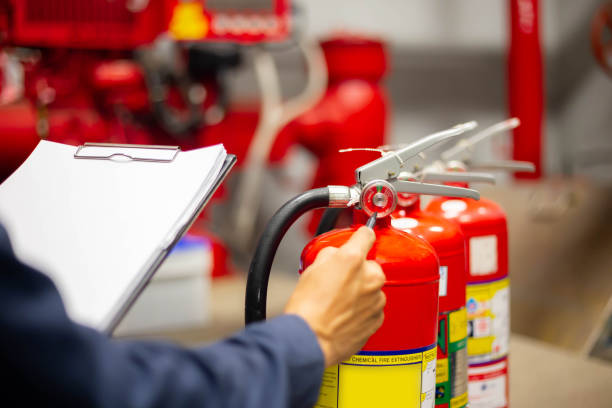
Fire extinguishers provide an important first response for small fires.
Regular inspections help ensure:
Properly maintained extinguishers increase the chances of safely controlling minor fires before they escalate.
Even the best fire protection systems require effective evacuation procedures.
A comprehensive evacuation plan typically includes:
Occupants should be able to identify exits quickly from any location within the building.
Safe meeting points help account for everyone after evacuation.
Employees should understand emergency procedures and know how to respond calmly during an evacuation.
Practising evacuation procedures improves preparedness and helps identify areas for improvement.
Understanding common fire risks helps property owners reduce the likelihood of emergencies.
Some frequently encountered hazards include:
Routine inspections help identify and correct these issues before they become serious hazards.
Fire protection equipment requires ongoing maintenance to remain effective.
Routine servicing helps:
Neglecting maintenance may result in equipment failing during an actual emergency.
Professionals understand how different fire protection systems work together and can identify hidden risks that may otherwise go unnoticed.
Comprehensive inspections evaluate both visible equipment and underlying safety concerns.
Professional guidance helps property owners develop practical emergency response plans suited to their building.
Regular inspections and maintenance help support compliance with applicable fire safety regulations and building requirements.
Preventive maintenance reduces the likelihood of major repairs, property damage, and business interruptions caused by fire incidents.
Property owners should arrange an inspection if they notice:
Addressing these issues promptly helps maintain a safer environment for everyone.
Property owners can improve safety by following these recommendations:
Consistent maintenance and awareness significantly reduce fire-related risks.
When selecting a provider, consider the following:
Look for professionals with knowledge of different building types and fire protection systems.
Choose services that evaluate all aspects of fire safety rather than focusing on a single system.
Ongoing maintenance programmes help keep safety equipment operating effectively throughout the year.
A reliable service should explain identified risks and recommend practical solutions for improving safety.
See also: Custom Business Signs: Why Every Business Needs Professional Signage
Fire safety is an essential responsibility for every property owner. Effective planning, routine inspections, and properly maintained fire protection systems help reduce risks, protect lives, and minimise property damage during emergencies.
Fire and life safety services provide the expertise needed to identify hazards, maintain critical safety systems, and improve emergency preparedness. By investing in regular inspections, preventive maintenance, and comprehensive safety planning, property owners can create safer environments for occupants while helping ensure their buildings remain prepared for unexpected situations.