Newsletter Subscribe
Enter your email address below and subscribe to our newsletter
Enter your email address below and subscribe to our newsletter

 ByJohn A
Industrial installations involve far more than simply placing equipment inside a facility. Every project requires careful planning, coordination, scheduling, and quality control to ensure machinery, structural components, and supporting systems are installed safely and efficiently. Effective project management helps businesses reduce delays, control costs, and maintain operational continuity throughout the installation process. Whether working with racking installation services or partnering with a trusted steel erection company, having an experienced project management team is essential for project success. MTLI Group delivers organized installation solutions that help businesses complete complex industrial projects with confidence.
Every industrial installation project includes multiple moving parts, from equipment delivery and structural preparation to installation, testing, and commissioning. Without proper project management, communication gaps and scheduling conflicts can quickly lead to delays and increased costs.
A dedicated project management approach ensures that each phase of the installation is completed according to plan while maintaining safety, quality, and efficiency. It also creates a clear framework for collaboration between contractors, suppliers, engineers, and facility managers.
Successful installations begin with clearly defined objectives that align with business requirements.
A structured schedule helps keep every task on track while minimizing unnecessary downtime.
Planning is the foundation of every successful industrial installation. Before any equipment arrives, businesses should identify potential obstacles, evaluate facility readiness, and prepare contingency plans for unexpected challenges.
Proper planning allows installation teams to anticipate problems rather than react to them, improving efficiency throughout the project.
A thorough site evaluation identifies conditions that could affect installation.
Key assessment areas include:
Preparing for potential challenges reduces costly interruptions.
Common risks include:
Clear communication keeps every participant informed throughout the installation process. Regular updates allow project managers to coordinate activities while resolving issues before they impact project timelines.
Consistent communication also improves collaboration between internal departments and external contractors.
Frequent meetings help maintain project momentum.
Discussion topics should include:
Organized documentation supports accountability and project transparency.
Maintain records for:
Large industrial installation projects often involve electricians, mechanical contractors, equipment suppliers, engineers, and specialized installation crews. Coordinating these teams requires strong leadership and careful scheduling.
Professional project managers ensure each contractor performs work in the proper sequence while avoiding unnecessary delays.
Every contractor should understand their assigned tasks.
Responsibilities may include:
Tracking daily performance helps identify issues early.
Project managers should review:
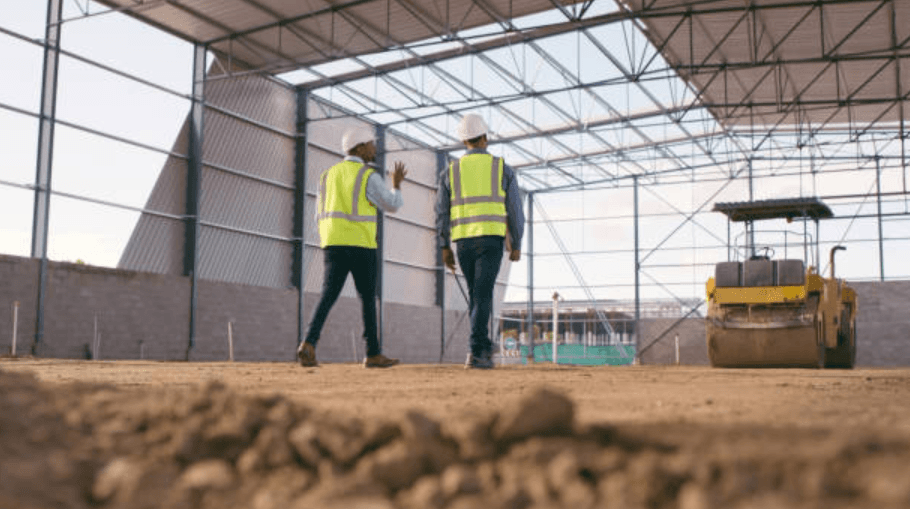
Safety remains one of the highest priorities during industrial installations. Project managers play a critical role in ensuring every activity complies with workplace safety regulations and industry standards.
A strong safety culture reduces accidents while protecting employees, equipment, and business operations.
Essential safety practices include:
Regular inspections help maintain compliance throughout the project.
Safety audits verify:
Many industrial facilities require specialized expertise beyond standard equipment installation. Working with experienced providers of racking installation services and an established steel erection company ensures structural systems are installed according to engineering specifications.
Professional coordination helps maintain installation quality while supporting long-term operational reliability.
Structural projects often involve:
Quality control procedures should include:
Installation is only one part of the overall project. Before production begins, equipment must undergo comprehensive testing and commissioning to verify proper operation.
Project managers coordinate commissioning activities to ensure every system performs according to design specifications.
Commissioning typically includes:
Employee training prepares teams for successful operations.
Training should cover:
Once the installation is complete, project managers should evaluate the overall success of the project by reviewing key performance indicators. Assessing factors such as schedule adherence, budget management, safety performance, equipment reliability, installation quality, and customer satisfaction helps determine whether project objectives were achieved. This evaluation also identifies opportunities to improve efficiency and performance in future industrial installation projects.
See also: Custom Business Signs: Why Every Business Needs Professional Signage
Documenting lessons learned after project completion is an important part of continuous improvement. Recording successful strategies, scheduling improvements, communication practices, safety observations, resource planning insights, and process enhancements helps organizations build stronger project management frameworks. These findings support better decision-making, reduce risks, and contribute to more successful industrial installations in the future.
Successful industrial installations depend on careful planning, effective communication, strong leadership, and consistent project oversight. A well-managed project minimizes downtime, controls costs, improves workplace safety, and ensures equipment is installed according to engineering standards.
Whether coordinating complex machinery, partnering with providers of racking installation services, or working alongside an experienced steel erection company, professional project management creates the structure needed for successful project execution. MTLI Group delivers comprehensive industrial installation solutions backed by experienced project management, helping businesses complete installations safely, efficiently, and with confidence while supporting long-term operational success.